
Hurricane Damage
What We Fix: Count on us for expert solutions tailored to your unique restoration needs.
Looking For Hurricane Damage Is Not the Same as Water Damage?
We are a locally owned, independent operation with over 30 years of restoration experience in Palm Beach County. Our crews are not dispatched from a call center. When you reach us after a hurricane event, the same certified technicians who respond to your first call handle your property from emergency stabilization through certified closeout. We have managed hurricane damage restoration through multiple storm seasons in South Florida, and that field experience is not something a franchise orientation produces.
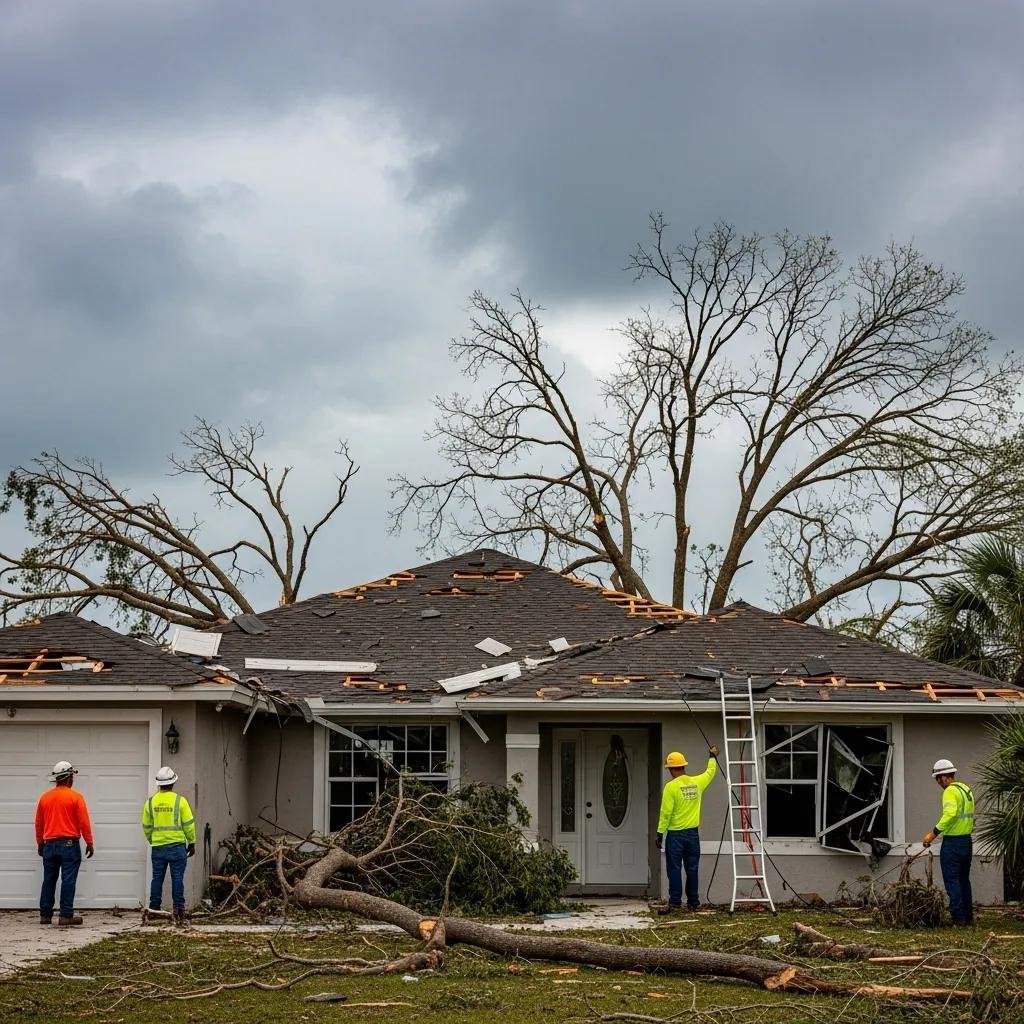
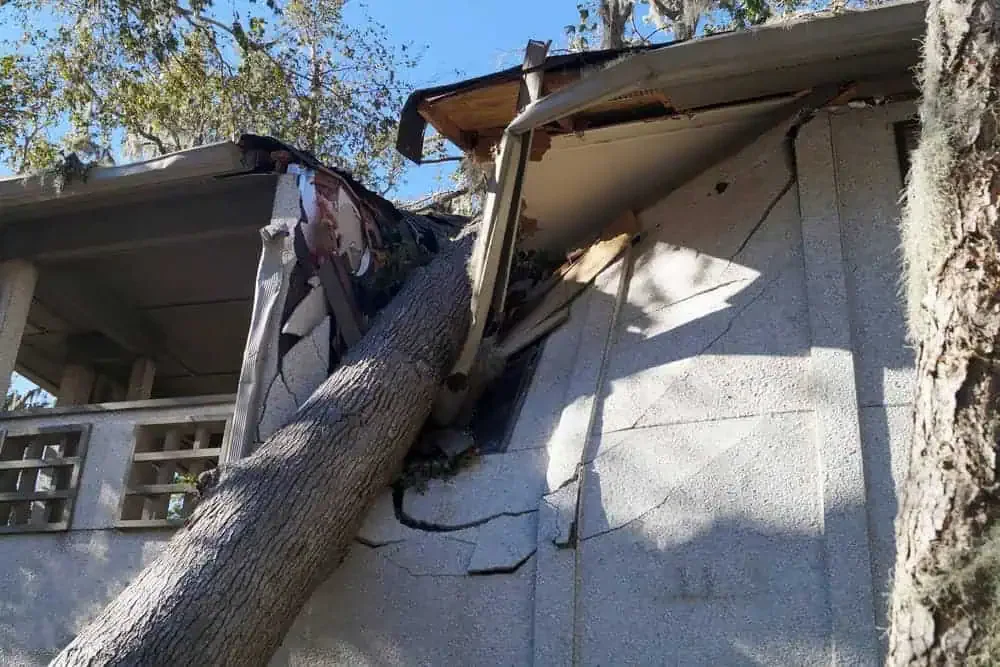
Hurricane Damage Is Not the Same as Water Damage
- Structural compromise from wind pressure, debris impact, and roof failure
- Water intrusion through breached walls, rooflines, and window systems
- Storm surge flooding that carries contaminants into the structure
- Electrical and mechanical systems exposed to outdoor moisture
- FEMA Individual Assistance eligibility assessment
- Insurance adjuster documentation for wind versus flood damage
- Emergency board-up and tarping to stabilize the structure before restoration
How It Differs from Standard Water Damage
Standard water damage from a burst pipe or appliance failure is contained within the plumbing system boundary of the building. Hurricane damage breaches the building envelope from the outside, introduces Category 2 and 3 contaminated water, and creates structural vulnerabilities that a water extraction crew without structural assessment capability cannot safely evaluate. The restoration scope, the insurance documentation requirements, and the safety protocols are different. SuperClean Restoration Of The Palm Beaches LLC handles both. The intent of this page is hurricane-specific events. For non-hurricane water damage from plumbing or appliances, see our water damage restoration page.
Florida Hurricane Categories and What They Mean for Your Palm Beach County Property
| Category | Sustained Wind Speed | Typical Property Damage in Palm Beach County | Severity | Restoration Scope |
|---|---|---|---|---|
| Category 1 | 74 to 95 mph | Roof shingle loss, broken branches, fence damage, minor window failures. Some water intrusion at compromised seals. | Minor to Moderate | Targeted repairs, water extraction in affected rooms, drying, shingle and seal replacement. |
| Category 2 | 96 to 110 mph | Significant roof damage, window and door failures, fence and outbuilding destruction. Interior flooding from roof and wall penetrations. | Moderate to Major | Emergency tarping, board-up, water extraction, structural drying, partial roof and wall repair, insurance documentation. |
| Category 3 | 111 to 129 mph | Extensive roof and structural damage, multi-room flooding, debris impact on walls, widespread window and door failures. Storm surge possible in low-elevation areas. | Major | Full structural assessment, emergency stabilization, FEMA documentation, extensive water damage remediation, major structural restoration. |
| Category 4 | 130 to 156 mph | Catastrophic structural failure possible. Roof systems may be fully compromised. Widespread flooding and storm surge. Many properties uninhabitable without full rebuild. | Catastrophic | Full structural assessment for safety before re-entry. FEMA Individual Assistance coordination. Comprehensive rebuild scope with insurance and adjuster documentation. |
| Category 5 | 157+ mph | Near-total or total structural destruction possible. Complete roof loss, wall collapse, foundation compromise. Structures may need to be condemned before assessment. | Extreme | Safety assessment before any entry. Full demolition-or-restore evaluation. Coordinated insurance, FEMA, and local permitting process for full rebuild. |
Hurricane Damage Restoration in Wellington, FL
From emergency board-up through full structural rebuild, we handle every stage of hurricane recovery
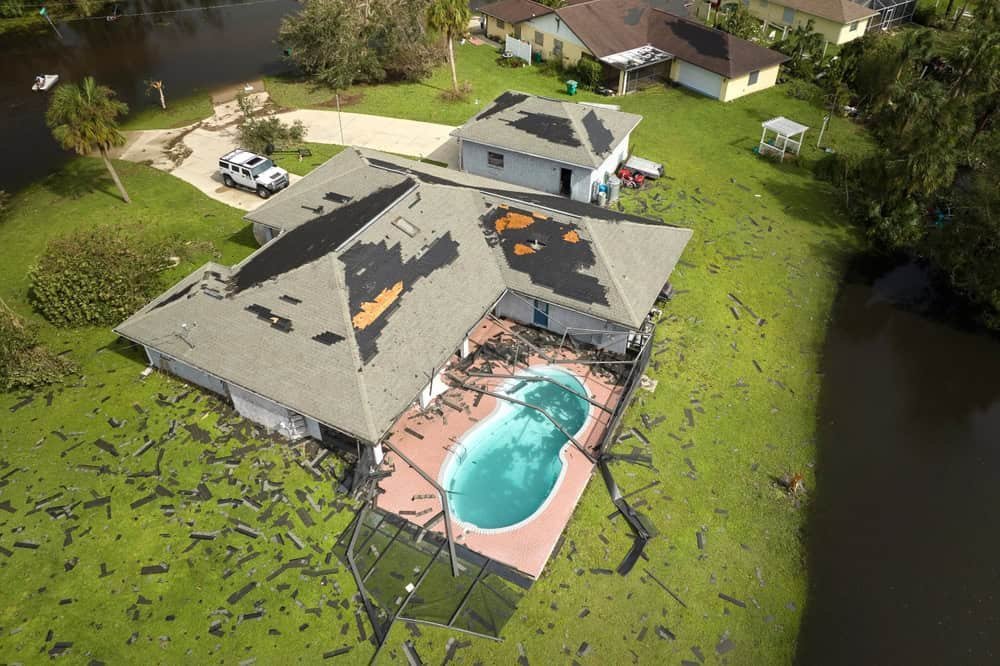
SuperClean Restoration Of the Palm Beaches LLC provides full-scope hurricane damage restoration for residential and commercial properties in Wellington, FL and throughout Palm Beach County. When a named storm makes landfall or passes through South Florida, the damage to structures is categorically different from a plumbing failure or appliance leak. Roof penetrations, compromised walls, storm surge intrusion, and debris impact require a restoration contractor with structural assessment capability, emergency boarding and tarping, and direct experience coordinating with insurance adjusters and FEMA representatives.
- Structural Assessment and FEMA Documentation Included
- 24/7 Response Across Palm Beach County
- Emergency Board-Up and Tarping Available Immediately
FEMA Individual Assistance After a Hurricane in Palm Beach County
FEMA Individual Assistance (IA) is available to Florida homeowners when the President issues a federal disaster declaration for your county. After major storm events, Palm Beach County has received disaster declarations that made residents eligible for FEMA IA, which can cover costs not reimbursed by homeowner’s insurance, temporary housing assistance, and other disaster-related needs. FEMA IA does not replace homeowner’s insurance and does not fund full rebuilds, but it can cover gaps for uninsured losses and essential repairs that insurance does not address.
To apply for FEMA IA, you need documentation of the damage that insurance does not cover or is still in process. We provide a detailed damage and scope documentation package that supports your FEMA application. This includes photos, moisture data, a written damage narrative, and an itemized scope that separates insured from potentially uninsured losses. If you are applying for FEMA IA after a hurricane in Palm Beach County, call us before submitting your
How Our Hurricane Damage Restoration Process Works in Palm Beach County
Step 1: Emergency Response and Safety Assessment
The first question after any hurricane event is whether the structure is safe to enter. We assess structural integrity before any restoration crew enters the property, evaluating roof load, wall stability, electrical exposure, and standing water depth near electrical systems. If the structure is not safe for entry, we identify what emergency stabilization is required before any interior work can begin. We document this initial assessment with photos and notes that become part of the insurance file.
Timeline: Typically same-day response after storm clearance is issued for the area.
Step 2: Emergency Board-Up and Tarping
Compromised roof sections, broken windows, and breached walls must be sealed immediately to stop ongoing water intrusion. We install emergency roof tarps over damaged roof decking and board up window and door openings that no longer provide weather protection. This work is critical because every additional rain event that enters through an unprotected opening compounds damage and insurance claim complexity. Emergency board-up is documented with before and after photos for the insurance file.
Timeline: Same-day or next-day after safety clearance. Board-up materials are permitted for short-term protection and are replaced during the structural restoration phase.
Step 3: Full Structural Damage Assessment
After the structure is stabilized, we conduct a comprehensive damage assessment. This includes FLIR thermal imaging to locate moisture in wall cavities, ceilings, and subfloors that is not visible from the surface, moisture meter readings at all structural monitoring points, documentation of visible structural damage to roof framing, walls, and foundations, and identification of wind versus flood damage for insurance claim classification. Wind damage and flood damage are covered under separate insurance instruments in Florida, and the documentation must clearly support each claim category.
Timeline: 1 to 2 days for a full residential property assessment.
Step 4: Water Extraction and Structural Drying
Storm surge and wind-driven rain introduce contaminated water into the structure that must be extracted and classified before drying begins. Category 2 and Category 3 water events require containment protocols and antimicrobial treatment in addition to extraction. We use truck-mounted extraction units, submersible pumps, LGR dehumidifiers calibrated for Florida's subtropical humidity, and industrial air movers to achieve IICRC S500 certified dryness throughout the affected structure. Given Palm Beach County's ambient humidity, mold onset can begin within 24 to 48 hours of storm intrusion, making this phase time-critical.
Timeline: 3 to 7 days for structural drying depending on water volume, category, and affected area.
Step 5: FEMA and Insurance Documentation Package
We compile a complete documentation package for your insurance adjuster and, if applicable, your FEMA Individual Assistance application. This includes the initial damage assessment report, emergency stabilization records with before and after photos, moisture reading logs, classification of wind versus flood damage by affected area, and the full restoration work order with itemized scope. Florida insurance adjusters and FEMA regional reviewers have specific documentation requirements for storm events. We have coordinated these packages through multiple storm seasons in Palm Beach County and understand what documentation prevents claim delays.
Timeline: Documentation package compiled concurrent with assessment and ongoing through the job.
Step 6: Structural Restoration and Certified Closeout
Physical restoration returns the property to its pre-storm condition. This covers roof decking and framing repair, drywall replacement, window and door system reinstallation coordination, flooring removal and replacement, mold prevention treatment on all storm-exposed framing, and finish work. We manage the full scope under one contract. The job closes with a final walkthrough, certified dryness documentation, and a complete project record for your insurance file.
Timeline: Varies widely based on storm category and property size. Minor events: 1 to 2 weeks. Major structural damage: 4 to 12 weeks.
Have Questions?
Look Through Some of Our Most Frequently Asked Questions
Do not enter the structure until you have confirmed it is structurally safe and electrical systems have been cleared. Take photos of all visible exterior damage before any emergency repairs are made. Call SuperClean Restoration at (844) 888-0837 to schedule an emergency assessment as soon as storm clearance is issued for your area. Do not begin any interior cleanup or water removal before a professional assessment, because the classification of water type and the sequence of extraction and drying affects your insurance claim. Contact your insurance carrier to open a claim and request an adjuster visit, but do not wait for the adjuster before calling us. Emergency stabilization takes priority.
Most Florida homeowner’s insurance policies cover wind damage from hurricanes, including roof damage, structural breach, and interior damage caused by wind-driven rain entering through a storm-created opening. However, flooding from storm surge or rising water outside the structure is typically excluded from standard homeowner’s policies and requires a separate National Flood Insurance Program (NFIP) policy. Many Palm Beach County homeowners carry both. We document each damage category separately in our assessment report to support both types of claims. Florida also has specific hurricane deductibles that are different from standard deductibles, typically 2 to 5 percent of insured value, which affects your out-of-pocket exposure.
Wind damage covers structural failure caused by wind pressure and wind-driven rain that enters through a breach created by the storm itself. Flood damage covers rising water from outside the structure, including storm surge, inland flooding, and overbank flooding. These are separate coverages, often with separate deductibles, and they require separate claim documentation. Our damage assessment identifies and documents which portions of your property damage fall under each category. This documentation is critical because insurers in Florida sometimes dispute the classification of hurricane damage, and a well-documented claim reduces the risk of underpayment or denial.
Timeline depends entirely on storm category and damage extent. A Category 1 event with limited roof damage and minor interior water intrusion can typically be restored in 1 to 3 weeks. A Category 3 or 4 event with significant structural compromise, multi-room flooding, and Category 3 contaminated water from storm surge can take 8 to 16 weeks or longer for full structural restoration. We provide a project timeline estimate after the initial structural assessment. The structural drying phase alone takes 3 to 7 days before physical repairs can begin
FEMA Individual Assistance is only available when the President issues a federal disaster declaration specifically for Palm Beach County or a region that includes it. Not every hurricane event triggers a declaration. If a declaration is issued, you can apply at DisasterAssistance.gov. FEMA IA can cover costs not reimbursed by your insurance, temporary housing, and essential repairs to make a home habitable. It does not fund full rebuilds. We provide damage documentation that supports your FEMA application and have worked with Palm Beach County homeowners through prior declaration periods to ensure their documentation meets FEMA reviewer requirements.
Emergency board-up after a hurricane serves two purposes: stopping continued water intrusion and establishing documented evidence that you took reasonable steps to mitigate damage after the event. Insurance policies typically require policyholders to take reasonable protective measures. Professional board-up is documented with timestamped photos, material specifications, and a work record that becomes part of your insurance claim file. DIY board-up may be adequate for physical protection but does not produce the documentation record that supports a damage claim. If your insurer disputes whether damage occurred before or after the storm, professional board-up documentation is the clearest evidence of the timeline.